Would you like to switch to the accessible version of this site?

Go to accessible site Close modal window

Don't need the accessible version of this site?

Hide the accessibility button Close modal window
Accessibility View Close toolbar
Menu
  • Home
  • Patient Center
    • Online Forms
    • Insurance and Payments
    • Vision Topics
      • Common Eye Conditions
        • Age-Related
        • Cognitive and Acquired
        • Vision Impairment
        • Injury & Irritation
        • Eye Lids
        • Changes in Appearance
      • Contact Lenses
      • Eye Diseases
      • Eyeglasses
        • Eyeglass Lenses
      • Eye Symptoms
      • Tips and Tricks
      • How the Eyes Work
        • Basic Visual Skills
      • Pediatric Vision
      • Protecting Your Eyes
      • Visual Rehabilitation
      • Vision Problems
      • What is Vision Therapy
      • Vision Therapy Programs
      • We Can Help With
        • Cataracts
        • Corneal Disorders
          • Disorders
        • Glaucoma
        • Refractive Disorders
        • Adult Strabismus
        • Retinal Disorders
      • Newsletters
        • Glasses & Frames
        • Contacts
        • Kid's Vision
        • Conditions That Affect Vision
        • Tips for Healthy Eyes
        • Amazing, Interesting Eyes
        • Medical Perspectives
  • About Us
    • Meet Our Team
    • Testimonials
  • Optometrist Services
    • Comprehensive Eyeglass Exams
    • Contact Lens Exams
  • Optician Services
    • Repairs and Adjustments
    • Frame Replacements
    • Lens Tinting
  • Contact Us
  • Appointments

(678) 782-3332

  • Home >
  • Articles >
  • Newsletters >
  • Glasses & Frames >
  • What's in a Frame?

What's in a Frame?

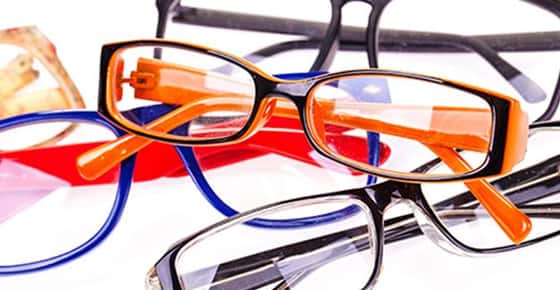
Image of a pile of glasses.

Finding a great looking eyeglass frame can be tough work. What looks good on you? Should you go with round lenses, or square? What should your frame be made out of? Choosing the material of your eyeglass frame is the first order of business, since that will narrow down your search to one specific category.

Metal

There are two major categories of frame materials -- metal and plastic. Metal frames are easy to adjust, they hold their shape fairly well, and they can last for years. Metal frames are most often made of "monel," a blend of a variety of different metals that vary from brand to brand. There are many different sub-categories of metal frames:

Semi-Rimless

Semi-rimless frames are quite popular, and feature a "clear looking" bottom half of the lens. The lens is mounted in the metal top half of the frame with a very thin metal or plastic monofilament that holds the lens in place.

Rimless

A full rimless frame, also called a "drill mount" features temples and a bridge that are mounted directly into the lenses. The bridge and the temples can be made from metal, or a hybrid of metal and plastic.

Flexible Frames

Flexible frames are becoming more popular among athletes and children, because their titanium based material allows the frame to bend and flex without breaking.

Who Shouldn't Wear Metal Frames?

All metal frames have nose pieces that lift the frame off the bridge of the nose and provide support for the frame. Some individuals do not like the feel of nose pieces, especially those who have stronger prescriptions and thus thicker and heavier lenses. Additionally, some individuals are allergic to the metal used and may break out if the metal touches their skin.

Plastic

Plastic frames are the second major material for eyeglass frames, and are as equally popular as metal. Plastic frames can be thick or thin, and can be made in a broad range of colors. Plastic frames must be adjusted by using heat in order to soften the material and allow malleability.

Zyl

Zyl, also known as cellulose acetate, is a lightweight but strong material used for the majority of plastic frames. Laminated zyl frames can have a layered color look, or traditional zyl can be made in bolder, darker colors like black and brown.

Who Shouldn't Wear Plastic Frames?

Most anyone can wear plastic frames, however, individuals with stronger prescriptions and thicker lenses may notice that plastic frames are quite heavy and cumbersome.

Before you choose what material you'd like for your frame, visit an eye care professional and try on several different styles. Take note of the feel of each frame in addition to how it looks, and don't be afraid to ask about the different options available to you.

  • Common Eye Conditions
    • Age-Related
    • Cognitive and Acquired
    • Vision Impairment
    • Injury & Irritation
    • Eye Lids
    • Changes in Appearance
  • Contact Lenses
  • Eye Diseases
  • Eyeglasses
    • Eyeglass Lenses
  • Eye Symptoms
  • Tips and Tricks
  • How the Eyes Work
    • Basic Visual Skills
  • Pediatric Vision
  • Protecting Your Eyes
  • Visual Rehabilitation
  • Vision Problems
  • What is Vision Therapy
  • Vision Therapy Programs
  • We Can Help With
    • Cataracts
    • Corneal Disorders
      • Disorders
    • Glaucoma
    • Refractive Disorders
    • Adult Strabismus
    • Retinal Disorders
  • Newsletters
    • Glasses & Frames
    • Contacts
    • Kid's Vision
    • Conditions That Affect Vision
    • Tips for Healthy Eyes
    • Amazing, Interesting Eyes
    • Medical Perspectives

Locations

Hours

Hampton Location

Monday:

9:00 am-5:00 pm

Tuesday:

9:00 am-5:00 pm

Wednesday:

9:00 am-5:00 pm

Thursday:

9:00 am-5:30 pm

Friday:

9:00 am-5:00 pm

Saturday:

One Saturday per month

9:30 am-4:00 pm

Sunday:

Closed

Zebulon Location

Monday:

Closed

Tuesday:

9:00 am-5:00 pm

Wednesday:

9:00 am-5:00 pm

Thursday:

9:00 am-5:30 pm

Friday:

9:00 am-5:00 pm

Saturday:

Closed

Sunday:

Closed

Eye Can See Eyewear, Inc

Call Us Today

(678) 782-3332

Location
Request Appointment
No social media links found. Please configure it
  • Copyright © 2026 MH Sub I, LLC dba iMatrix
  • Admin Log In